


Dirty money? These ‘clean’ candidates didn’t need it
Dirty money? These ‘clean’ candidates didn’t need it
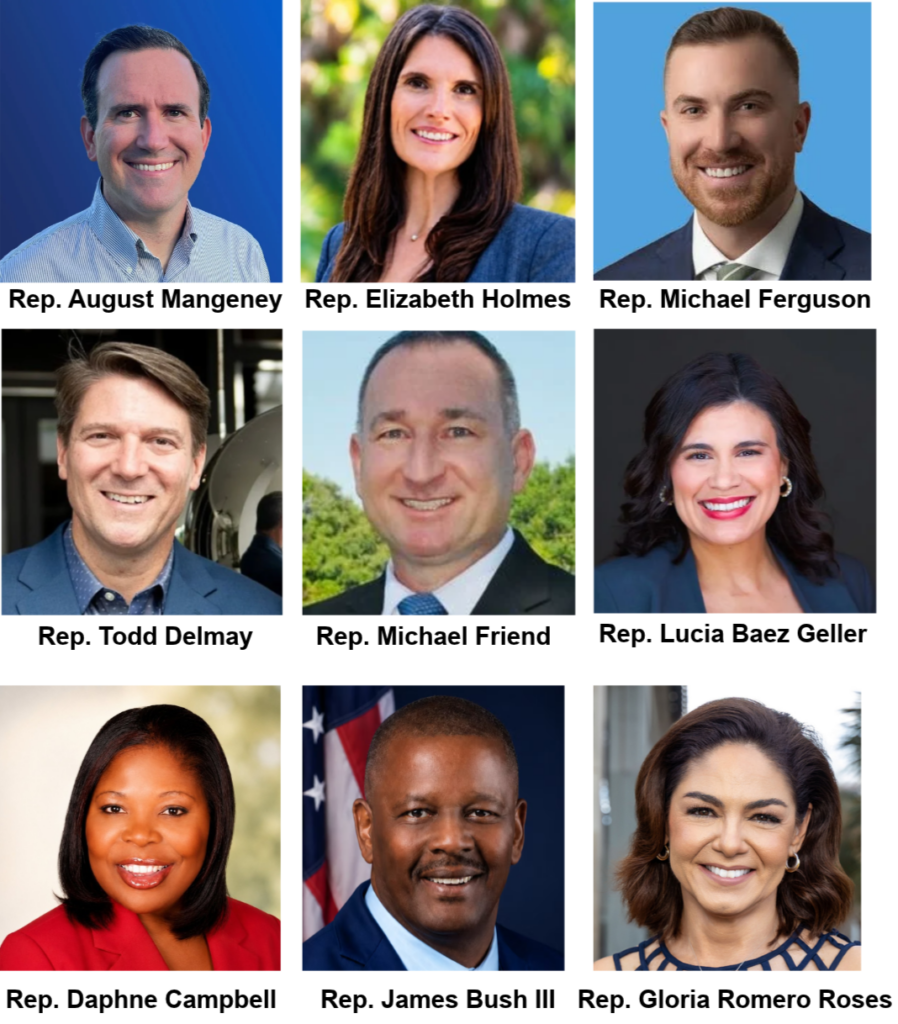
A funny thing happened on the way to updating our “Dirty Money Project” data: We didn’t find much.
That is to say, we’re adding the new lawmakers who were elected Nov. 3 to our online database, and finding that a significant number of new, Democratic state legislators took little to no “dirty money” — campaign cash from polluting industries.
Case in point: Rep. August Mangeney flipped Florida House District 93 in Palm Beach County, beating incumbent Republican Anne Gerwig. Mangeney appears to have taken no money from Big Sugar or other agricultural interests, no Big Utility money, no Big Development/Builder money, no money from “Polluter PACs” (political action committees that get a significant chunk of their funding from polluting industries). Yet he won.
Gerwig took money from all of them — and lost.
A similar dynamic occurred in District 94, where Democrat Elizabeth Holmes beat Republican “MAGA Meg” Weinberg; and in District 100, where Michael Ferguson flipped the Broward County seat from “red” to “blue.” Todd Delmay in District 101; Michael Friend in District 102; Lucia Baez Geller in District 106; Daphne Campbell in District 108; James Bush III in District 109; and VoteWater-endorsed Gloria Romero Roses in District 113: All took little to no money from polluting special interests. In many cases, their opponents took plenty of it.

Now, maybe these candidates just weren’t offered “dirty money”; maybe the usual polluting suspects funded their opponents, supposing they would win. Maybe next time around there’ll be plenty of polluter campaign cash for these new Democratic legislators. We urge them to reject it — because they’ve already proven they don’t need it to get elected.
And in not taking “dirty money,” they’re free to act in the best interest of their communities — which was surely why they were elected in the first place.
Indeed, that’s the takeaway: With the right message (which includes better protecting wild Florida and our waterways), you can win even if your opponent outraises and outspends you.
Maybe “dirty money” isn’t so monolithic after all; maybe it’s less effective than we assumed. And maybe it will play less and less of a role going forward.
Let’s hope — and in the meantime, congrats to these “clean” new legislators!