


New wetlands rule: A done deal?
New wetlands rule: A done deal?

Last month our “Deep Dive” into proposed changes to wetlands protections under the federal Clean Water Act noted that the public comment period was to end Jan. 5 — this past Monday.
So now what?
To reiterate, the federal Environmental Protection Agency is proposing new rules to align with a landmark 2023 U.S. Supreme Court decision in Sackett v. EPA, which narrowed the jurisdiction of the federal Clean Water Act. In that case, the court ruled that the Clean Water Act covers only relatively permanent bodies of water (like rivers, lakes, streams, oceans) that are described in ordinary language, and Wetlands that have a “continuous surface connection” to those waters such that they are essentially indistinguishable from them.
The proposed EPA rule change is intended to align federal policy with the court ruling.
But therein lies huge problems. The agencies themselves “recognize that this Rule would likely result in the elimination of many wetlands from coverage under the CWA and estimate that only 19% of total National Wetland Inventory wetlands would fall within the Act’s jurisdiction,” according to the law firm Womble Bond Dickinson, writing in the legal publication JD Supra. And as we reported, some estimates suggest 7.8 million acres of wetlands could be at risk of losing federal protections in Florida, out of 10.1 million acres total.
Consider that in your daily travels around Florida, you likely see areas that are inundated with water some of the time – but not all of the time — that don’t have a “continuous surface connection” to a stream, ocean, river or lake. Will such areas lose federal protection?
And where Clean Water Act protections are scaled back, we are certain that Florida developers are waiting to swoop in.
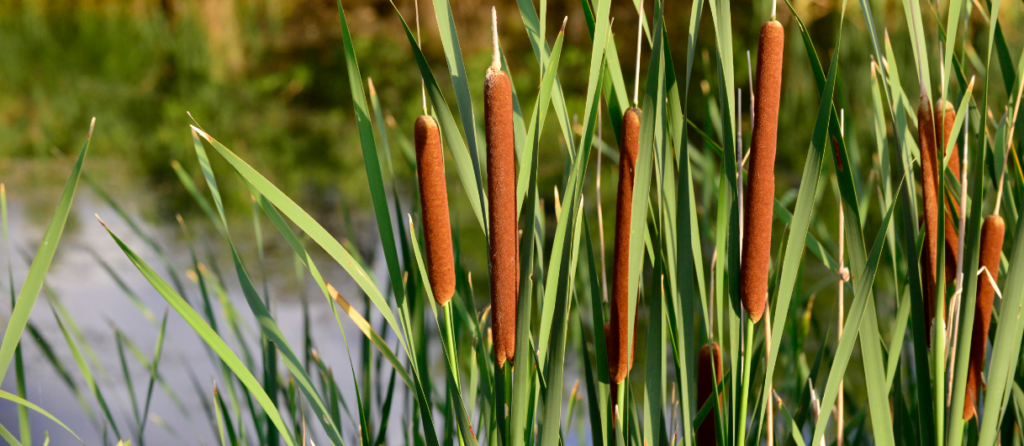 Indeed, there have been misguided claims that Florida’s wetlands won’t suffer under the changes because state wetlands protections are considered robust, and the court ruling and new EPA rules merely give more authority back to the state, which is the expert when it comes to local waters.
But as anyone paying any attention at all recognizes, the state — the Legislature — is constantly working to scale back environmental regulation. We fully expect that to be the case if, or once, the new rules take effect.
And it looks like they will. Womble Bond Dickinson noted that “We expect that the agencies will publish a final rule within the next six months… . Additionally, we expect the final rule to be largely identical to the proposed rule for the same reason that the purpose of the rulemaking is to incorporate the Sackett decision, so there is little policy choice involved that may change in response to comments.”
If this is correct, batten down the hatches — and get ready to rumble at the state level.