


Rural Florida: Pave it or save it?
Rural Florida: Pave it or save it?
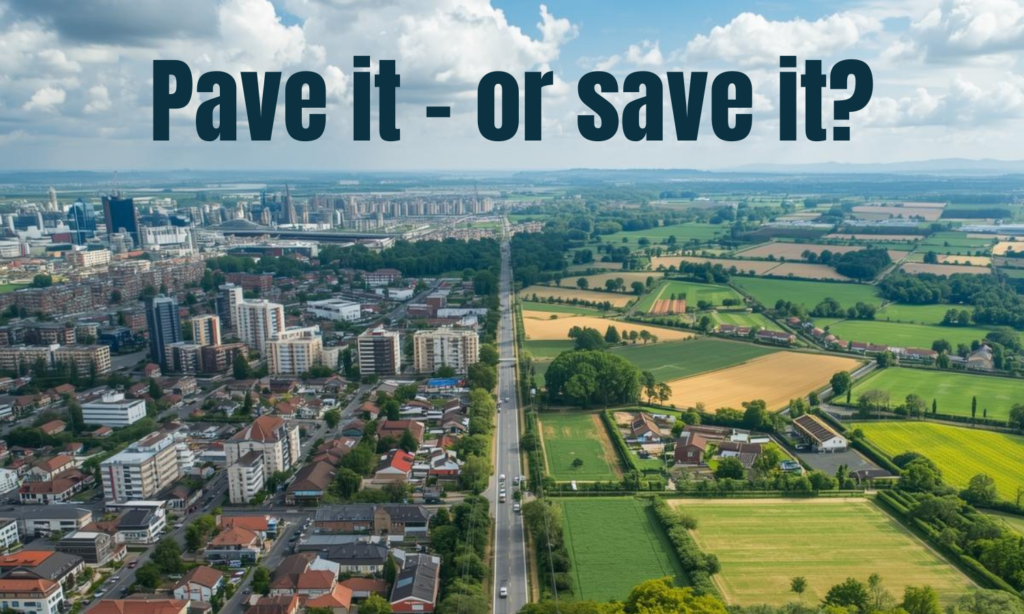
The Florida Legislative session just wrapped, and what started out as the “Session of Sprawl on Steroids” ended with a bit of a whimper as some of the worst pro-development bills were either sanded down before passing or — like the heinous “Blue Ribbon Projects” bills — faltered in the home stretch.
See our friends at Friends of the Everglades for a concise rundown on the last week of session. But one unmistakable theme that emerged this year was the dichotomy between legislators’ vow to save rural Florida — while backing bills that would pave rural Florida.
The “Blue Ribbon Projects” bill is a great example. It would have allowed new developments of 15,000 acres or more to be plopped down virtually anywhere — existing land use or zoning laws didn’t matter — effectively creating entire new cities.
And yet bill sponsors and backers ludicrously claimed that “Blue Ribbon Projects” would actually protect rural areas — when the exact opposite was true, because where but rural areas could you even find the 15,000 contiguous acres required by the legislation?
Another example: the “Agricultural Enclaves” bill, Senate Bill 686, now on its way to Gov. DeSantis’ desk. This measure would make it easier for landowners in so-called “agricultural enclaves”— parcels largely surrounded by existing development — to build single-family homes at the same density as neighboring properties. And if those enclaves sit next to an interstate highway, the bills would allow them to be developed for commercial or industrial uses as well.
So basically, instead of finding ways to keep agriculture viable in these pockets of green space, legislators made it easier to develop that agricultural land.

This dynamic even played out on a symbolic level. For the second year in a row the Florida Senate — led by President Ben Albritton, a citrus farmer from small-town Bartow — made “Rural Renaissance” a priority, earmarking nearly $145 million for rural roads, education, housing and health care and creating a state office to connect local government with state and federal resources. The proposal sailed through the Senate in the first few weeks of session, but couldn’t clear the House — headed by Speaker Danny Perez, from uber-urban Miami.
So it went time and again this session; a legislator would tout the virtues of rural Florida, then vote for pro-sprawl measures that would inevitably urbanize rural areas and undermine those virtues.
Maybe it hasn’t occurred to them that we’re at a crossroads when it comes to development and rural Florida. We can’t save rural Florida while paving it.
Indeed, saving rural Florida requires controlling development, and making sure it’s relegated to areas that can handle it. Florida’s powerful development lobby wants the opposite, and doles out plenty of “dirty money” to get its way. And that’s a huge reason why every session lately has been a “session of sprawl.”
So when it comes to rural Florida, are we going to save it, or pave it?
We can’t do both. Saving rural Florida requires controlling development and making sure it’s relegated to areas that can handle it. Florida’s powerful development lobby wants the opposite, and doles out plenty of “dirty money” to get its way. And that’s a huge reason why every session lately has been a “session of sprawl.”
But Florida is not going to protect its rural areas by green-lighting more and faster development. Florida legislators ultimately have to make a choice. And with apologies to rural Floridians, it’s pretty obvious that they’ve already made it.